
One of the most intriguing aspects of the Rough Scaled Sand Boa is its burrowing behavior. Unlike most snakes that slither along the ground, this species prefers to spend a majority of its time underground. Its strong, muscular body allows it to dig deep burrows in the desert sand, providing it with both shelter and a cool place to escape the scorching desert heat. This unique adaptation sets it apart from other snake species and makes it a true desert dweller.
If you are lucky enough to observe a Rough Scaled Sand Boa in its natural habitat, you will be captivated by its mesmerizing movements. This snake has a graceful and sinuous style of locomotion, using its powerful muscles to push itself forward in the sand. Its ability to disappear within seconds is truly astonishing, making it a master of camouflage in the vast desert landscape.
Whether you are a seasoned snake keeper or a beginner looking to venture into the world of exotic reptiles, the Rough Scaled Sand Boa is definitely a species worth considering. Its captivating appearance, unique burrowing behavior, and ability to thrive in extreme desert conditions make it a fascinating addition to any collection. So, if you’re ready to embark on a mesmerizing journey into the world of snakes, the Rough Scaled Sand Boa is waiting to be your guide.
Rough Scaled Sand Boa: A Guide to This Exotic Snake Species
Appearance and Characteristics
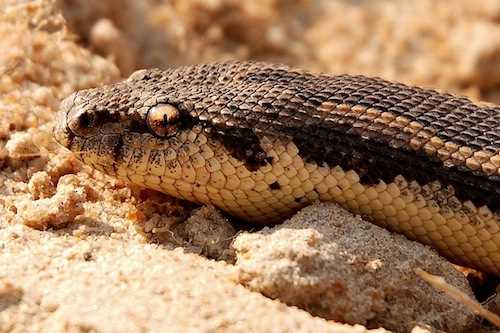
The Rough Scaled Sand Boa is a medium-sized snake, averaging around 3 to 4 feet in length. Its body is cylindrical and slender, perfectly adapted for burrowing beneath the sandy desert terrain. This snake’s most distinguishing feature is its rough scales, which are designed to provide excellent traction as it moves through the sand.
The coloration of the Rough Scaled Sand Boa varies depending on its habitat and geographical location. In general, they have a sandy or tan color, which helps them blend in with their surroundings. Some individuals may also have darker or lighter shades, providing additional camouflage.
One unique characteristic of this snake is its ability to bury itself completely in the sand, leaving only its eyes and nostrils exposed. This behavior not only helps the Rough Scaled Sand Boa avoid predators, but it also allows it to lie in wait for unsuspecting prey to pass by.
The Rough Scaled Sand Boa is classified as a non-venomous snake, relying on constriction to subdue its prey. It primarily feeds on small mammals, such as mice and rats, swallowing them whole after striking with lightning speed.
Habitat and Distribution
The Rough Scaled Sand Boa is native to the deserts of Central Asia, including regions like Pakistan, India, and Afghanistan. Its natural habitat consists of sandy deserts, arid plains, and scrubland. These snakes are well-adapted to the harsh desert environment, thriving in areas with low moisture and high temperatures.
Due to their burrowing nature, Rough Scaled Sand Boas can often be found hiding beneath the desert sand or under rocks and debris. Their ability to blend in with their surroundings, combined with their secretive lifestyle, makes them a challenging species to spot in the wild.
Care and Maintenance
For those interested in keeping Rough Scaled Sand Boas as pets, it’s essential to recreate their natural habitat as closely as possible. This includes providing a sandy substrate for them to burrow in, as well as a warm and dry enclosure with suitable hiding spots.
These snakes are relatively low-maintenance, requiring a diet of small rodents and occasional supplementation with calcium and vitamins. They prefer temperatures between 85-90°F (29-32°C) during the day and slightly cooler temperatures at night.
Habitat and Distribution
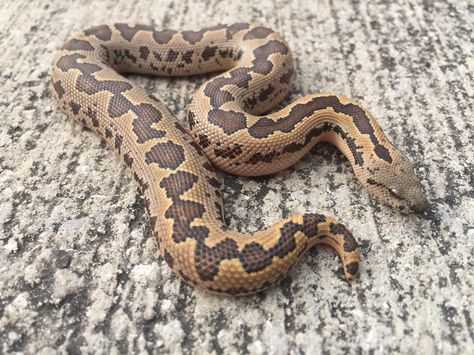
The Rough Scaled Sand Boa is primarily found in sandy and rocky areas, where they can create burrows for shelter and to lay their eggs. These burrows provide them with protection from extreme temperatures and predators. The snake’s ability to burrow allows them to escape the scorching heat of the desert during the day and come out to hunt at night when temperatures are cooler.
Distribution
The Rough Scaled Sand Boa has a wide distribution range, spanning across countries such as Egypt, Libya, Algeria, Morocco, Tunisia, Saudi Arabia, Yemen, Iraq, and Iran. They have also been reported in parts of Israel and Jordan.
Due to their camouflaging abilities and elusive nature, these snakes can be challenging to spot in their natural habitat. They often remain hidden beneath the sand or inside their burrows during the day, making them difficult to detect.
Conservation Efforts
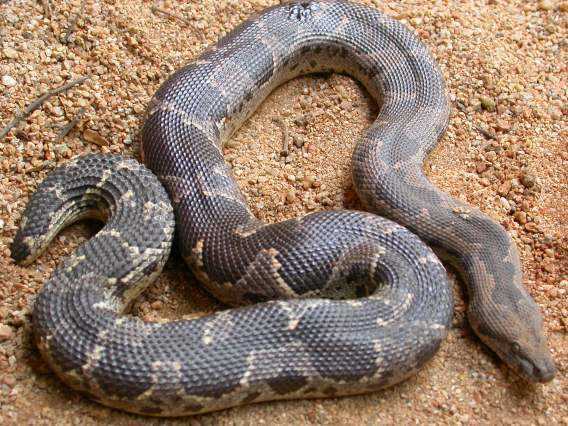
Furthermore, raising awareness about the importance of these snakes and their role in maintaining the ecological balance of the desert ecosystems is crucial. By educating the public about the value of these reptiles, we can encourage responsible behavior and minimize habitat destruction.
| Common Name | Rough Scaled Sand Boa |
|---|---|
| Scientific Name | Gongylophis conicus |
| Habitat | Desert regions of North Africa and the Middle East |
| Distribution | Egypt, Libya, Algeria, Morocco, Tunisia, Saudi Arabia, Yemen, Iraq, Iran, Israel, Jordan |
Care and Maintenance of the Rough Scaled Sand Boa: A Guide to Keeping This Exotic Snake Species

Temperature and humidity are crucial factors in the successful keeping of rough scaled sand boas. They require a warm basking area with a temperature range of 85-90°F (29-32°C) during the day, while a cooler area of around 75-80°F (24-27°C) should be provided for thermoregulation. Maintaining a humidity level of around 40-50% is also important to ensure the health and well-being of these snakes.

I’m Lena Adams—a product of an unconventional upbringing in the African wilderness. My father, a daring explorer of African wildlife, sparked my fascination with reptiles, a passion that intertwined with the tragic loss of my mother during an expedition, leaving an indelible mark on my life. Driven to understand the creatures that captivated my parents, I embarked on my journey, sharing insights about reptiles, frogs, and lizards on my website. Through my explorations and conservation efforts, I honour my family’s legacy while seeking connections—to the creatures, nature, and the mother whose presence I yearn to understand.