Tips for Maintaining the Perfect Night Temperature for Your Leopard Gecko

Tips for Maintaining the Perfect Night Temperature for Your Leopard Gecko
Setting up the ideal night temperature for your leopard gecko is essential to mimic their natural habitat conditions. In their native environment, leopard geckos experience a significant drop in temperature during the night, which allows them to conserve energy and rest properly. By replicating these temperature fluctuations in captivity, you can help maintain your gecko’s health and ensure they have a comfortable environment to thrive in. Remember, maintaining the proper night temperature is crucial for … Read More


Are Red Eyed Tree Frogs Poisonous?

Are Red Eyed Tree Frogs Poisonous?

Red-eyed tree frogs are fascinating creatures that have captured the attention of people around the world. Their vibrant colors and distinctive red eyes make them stand out in the animal kingdom. But one question that often arises is whether or not these frogs are poisonous. The answer is yes, red-eyed tree frogs are indeed poisonous. They possess a unique defense mechanism that involves the production of toxins in their skin. These toxins serve as a … Read More

Hermann tortoise enclosure – everything you need to know about creating the perfect habitat

Hermann tortoise enclosure – everything you need to know about creating the perfect habitat

When selecting plants for your tortoise’s habitat, make sure to choose species that are safe for consumption. Some popular choices include dandelion greens, clover, and plantain. Avoid using plants that can be toxic to tortoises, such as lilies or azaleas. It’s also a good idea to provide a mix of grasses and leafy greens to ensure a balanced diet. In addition to plants, the substrate in the enclosure plays a vital role in creating a … Read More

Snake bug: Everything You Need to Know About This Creepy Crawler

Snake bug: Everything You Need to Know About This Creepy Crawler

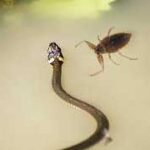
Despite its intimidating appearance, the serpent bug plays an important role in the ecosystem. It helps control populations of other insects, such as mosquitoes and flies, by preying on them. This makes it a beneficial creature to have around, especially in areas where these pests can be a nuisance. Snake Bug: Everything You Need to Know The Snake Bug is a fascinating creature that combines the characteristics of both reptiles and insects. Despite its name, … Read More

How to Care for a Jumping Spider

How to Care for a Jumping Spider

A proper substrate is essential for the well-being of your jumping spider. Unlike many other pet spiders, jumping spiders do not require a deep substrate for burrowing. A thin layer of substrate such as peat moss or coconut fiber works well. This will help maintain proper humidity levels in the enclosure by retaining moisture without being overly wet. Tips for Taking Care of a Jumping Spider Taking care of a jumping spider involves providing the … Read More

Is fin rot contagious

Is fin rot contagious

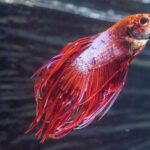
Fin rot is a common and concerning condition that affects fish, particularly those kept in aquariums. It is characterized by the deterioration of the fish’s fins, which can result in significant damage or even loss of the fin. This condition can be caused by various factors, including poor water quality, stress, or bacterial or fungal infections. One question that often arises among fish keepers is whether fin rot is contagious. The answer to this question … Read More

Pastel Ball Python – A Beautiful and Unique Morph

Pastel Ball Python – A Beautiful and Unique Morph

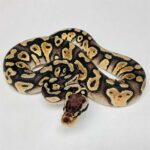
The pastel ball python is a truly mesmerizing snake. This reptile captivates with its stunning and vibrant colors, making it one of the most sought-after breeds among snake enthusiasts. With its unique and alluring appearance, the pastel ball python stands out from other ball pythons, showcasing a wide range of breathtaking hues. The pastel morph is known for its exceptional coloration, which is often characterized by light, pastel tones. These colors can vary from yellow … Read More

Ball Python Water: How long Can a Ball Python Go Without it?

Ball Python Water: How long Can a Ball Python Go Without it?

But how long can a ball python go without water? It is crucial to understand that water is vital for these snakes to survive and thrive. While they are remarkably resilient, they cannot go very long without access to water. Dehydration can quickly become a severe health issue for these reptiles. A ball python can generally survive for around two to three weeks without water. However, this timeframe varies depending on the individual snake’s size, … Read More

Snakes: A Fascinating and Misunderstood Pet Choice

Snakes: A Fascinating and Misunderstood Pet Choice

Snakes, often misunderstood and unfairly stereotyped, can make fascinating and surprisingly great pets. While they may not be everyone’s first choice, snakes offer a unique and rewarding pet ownership experience that is unlike any other. With their sleek and slithering bodies, these reptiles have evolved over millions of years to adapt to various habitats and environments. Contrary to popular belief, not all snakes are dangerous or venomous. In fact, the majority of snakes kept as … Read More

Frequency of Corn Snake Shedding: How Often Do they Shed?

Frequency of Corn Snake Shedding: How Often Do they Shed?

So, how often do corn snakes shed? The frequency of shedding in corn snakes can vary depending on various factors, including their age, diet, and environment. Generally, younger corn snakes shed more frequently than adults. Young snakes may shed every 4-6 weeks, while adults may shed every 6-8 weeks. Frequency of Corn Snake Shedding Age Shedding Frequency Young snakes (under 1 year old) Every 4-6 weeks Adult snakes (over 1 year old) Every 6-8 weeks … Read More